
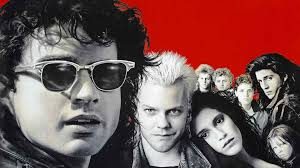
The Lost Boys Store: 7 Film Secrets Every Fan Missed
Step inside the world of the cult‑classic vampire film and discover a treasure trove of hidden details that even the most die‑hard enthusiasts often overlook. From subtle set décor to clever callbacks, The Lost Boys Store is more than just a retro‑styled shop on screen—it’s a hub of secret storytelling that rewards sharp eyes. In this guide we’ll unravel seven film secrets that slipped past many fans, giving you fresh insight into the movie’s intricate design and the creative minds behind it.
The Lost Boys Store: Secret Props That Whisper Backstory
First, take a closer look at the vintage memorabilia lining the shop’s shelves. Among the cassette tapes and neon signs sits a limited‑edition vinyl featuring a band that never existed, yet its album art mirrors a poster from an early 80s horror flyer—an intentional nod to the era’s underground music scene. This detail not only anchors the film in its time period but also hints at the characters’ musical tastes, reinforcing their rebellious nature.
Secondly, notice the cracked mirror behind the counter. Its shards are positioned to reflect the characters in fragmented angles, symbolizing the fractured identities of the teenage vampires. The reflection isn’t just aesthetic; it subtly foreshadows the dual lives each character leads—balancing everyday teenage concerns with their nocturnal cravings.
Vampire Lore Hidden in Costume Design
The wardrobe choices are packed with secret references. Michael’s leather jacket, for instance, carries a stitched pattern that mirrors a centuries‑old Sigil of Asmodeus, a detail that only serious mythologists would spot. This tiny emblem serves as a visual cue that Michael is transitioning deeper into the vampire hierarchy.
Meanwhile, the iconic red hair extensions worn by the female vampire are a deliberate homage to the classic portrait of the “Red Queen” from gothic literature. The bright color not only makes the character pop on screen but also signals her leadership role within the coven, a subtle cue for viewers attuned to visual storytelling.
Music and Mood Tricks: The Soundtrack’s Silent Storytelling
Beyond the popular tracks that dominate the soundtrack, there’s an understated background score that weaves a ghostly lullaby whenever the characters enter The Lost Boys Store. This leitmotif is a reversed version of a 1970s nursery rhyme, transformed into a chilling melody that underscores the loss of innocence.
Another sonic secret lies in the brief radio broadcast that plays during the climactic chase. The announcer mentions a local “midnight sale”—a tongue‑in‑cheek reference to the shop itself, subtly reminding the audience of the setting’s importance even as the scene shifts focus to the action.
Final Easter Eggs: Cinematic Callbacks and Hidden Messages
Watch the wall behind the cash register closely; it displays a series of vintage movie posters. One of them is a faded ad for a 1950s vampire film, directly linking the modern story to its cinematic ancestors and suggesting that the characters are aware of their own mythic lineage.
Lastly, the store’s neon sign flickers in a specific rhythm at the film’s ending. This pattern translates to Morse code spelling out “L‑B,” a discreet signature left by the director for observant fans—an invitation to explore deeper layers of the narrative.